Disclaimer: All content is for popular science only, not medical diagnosis or medication instruction. Consult certified medical professionals prior to any application.
1. What Are Polypeptides?
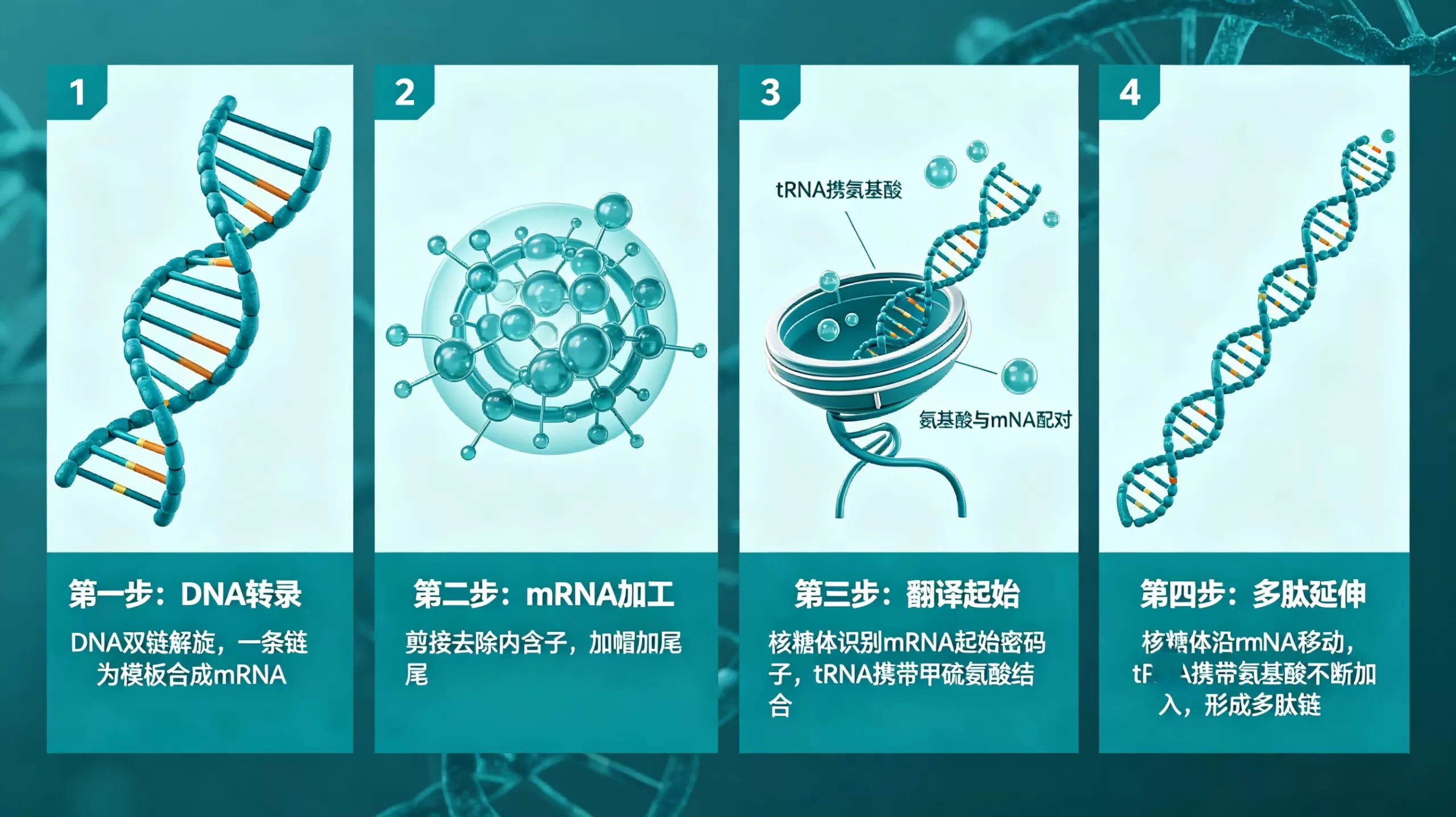
peptides are short amino acid chains. Amino acids are the basic building blocks of protein and exist naturally throughout the human body. Following the biological pathway: DNA coding → RNA synthesis → production of proteins and polypeptides, these compounds control the human body’s diverse physiological activities. Some peptides can be acquired from daily meals, while synthetic pharmaceutical peptides deliver targeted physical regulation. Classic medical peptides include insulin, semaglutide and endorphins. As of January 2026, monthly US online search volume for peptides has reached 10.1 million, marking an emerging booming industry.
[Pic 1: Schematic diagram of DNA-RNA-polypeptide biosynthesis pathway]
2. Classified Hot-Selling Peptides & Functional Introduction
2.1 Weight Loss Peptides: Semaglutide, Tirzepatide, Retatrutide
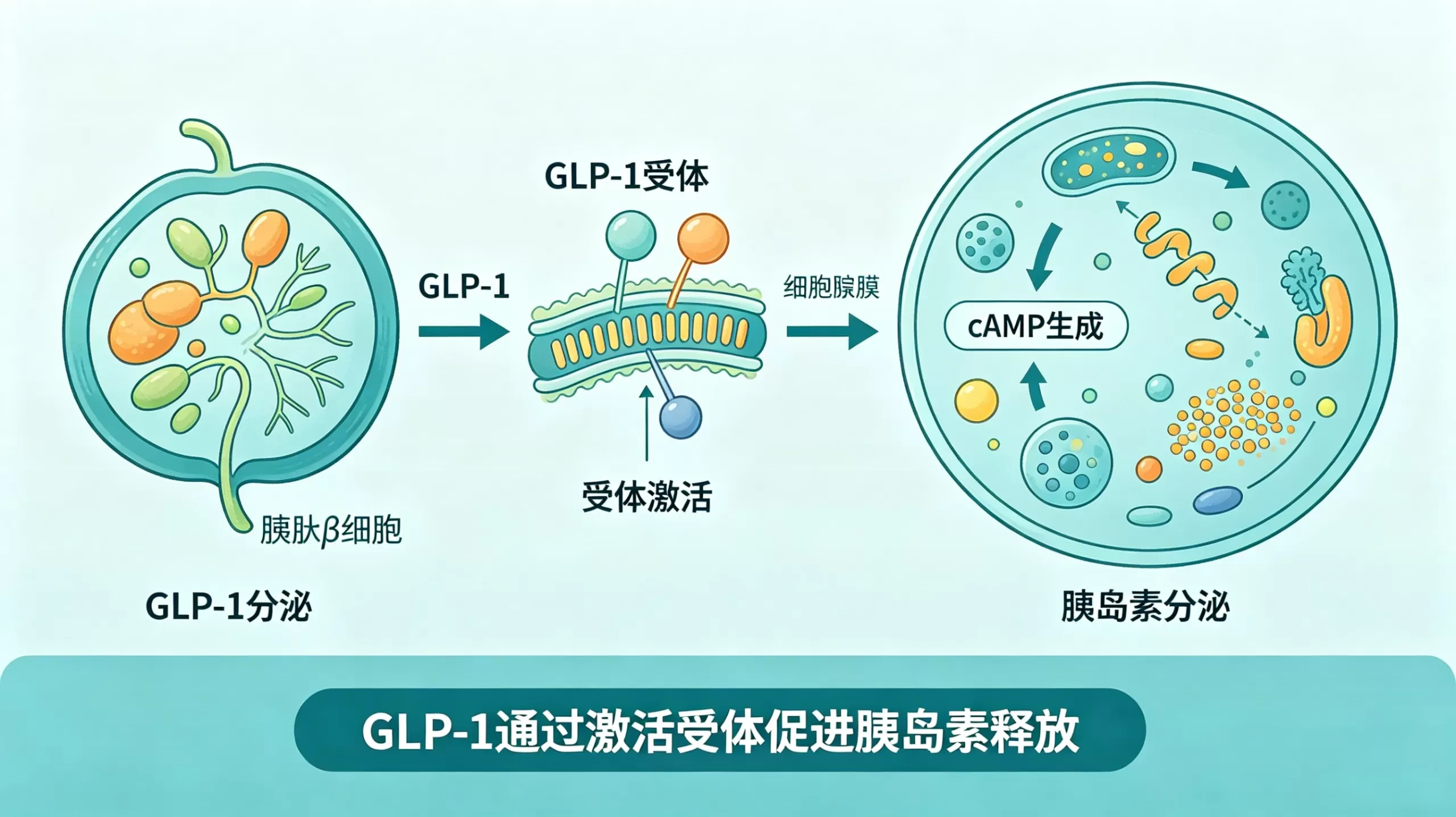
Natural GLP‑1 peptides trigger satiety signals after eating but only last for minutes.
Semaglutide: Long-acting synthetic GLP‑1 analog, FDA-approved (brand names Ozempic/Wegovy), weekly injection maintains long-lasting fullness.
Tirzepatide: Dual-target agonist activating GLP‑1 & GIP receptors, FDA certified (Mounjaro/Zepbound), high safety profile among weight-loss peptides.
Retatrutide: Triple-receptor agonist (GLP‑1+GIP+glucagon), top weight-loss potency; still in Phase III clinical trials, low-dose off-label use improves focus and curbs excessive appetite.
[Pic 2: GLP-1 family peptide physiological mechanism schematic]
2.2 Muscle Building & Body Contouring Peptides: CJC‑1295, Ipamorelin, Sermorelin, Tesamorelin
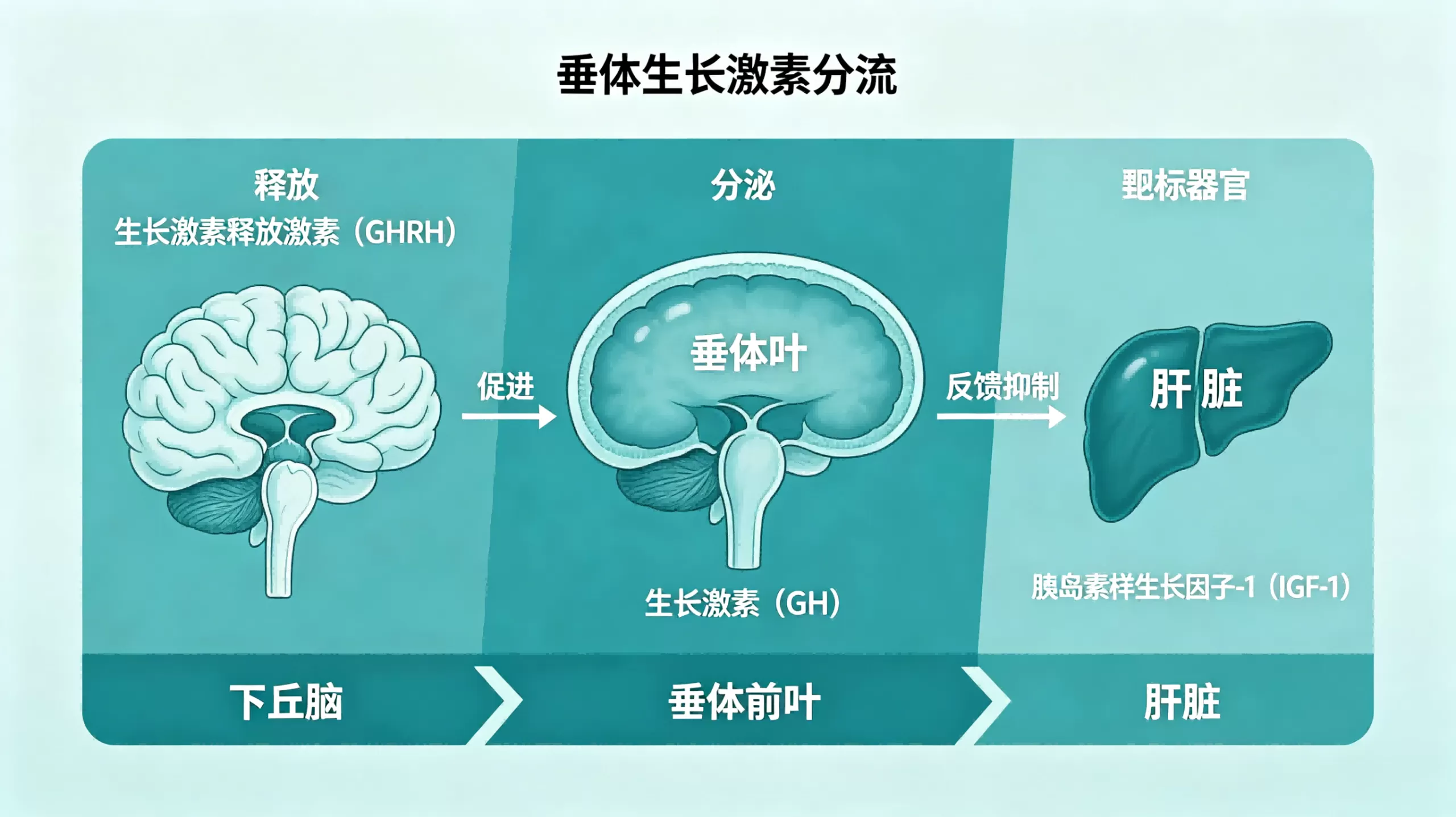
These peptides stimulate the pituitary gland to boost endogenous growth hormone secretion instead of direct external HGH injection.
CJC‑1295 + Ipamorelin: Classic combined stack popular in fitness industry via two different secretion pathways.
Sermorelin: Decades of clinical application for anti-aging and physical rehabilitation.
Tesamorelin: FDA-approved, core advantage lies in visceral fat reduction, initially developed for HIV-related abnormal fat metabolism treatment.
[Pic 3: Human pituitary gland & growth hormone secretion diagram]
2.3 Rapid Tissue Repair Peptides: BPC‑157, TB‑500
BPC‑157: Naturally sourced from human gastric juice, boosts blood circulation and accelerates tissue self-repair; sufficient animal test data, limited human clinical data, nicknamed “Wolverine repair peptide” by athletes and chronic pain groups.
TB‑500: Synthetic version of natural thymosin β4; paired with BPC‑157 for compound repair via different biological routes, plenty of real user feedback but incomplete official human trials.
[Pic 4: Human cell & soft tissue regeneration repair schematic]
2.4 Skincare & Brightening Peptide: GHK‑Cu (Copper Peptide)
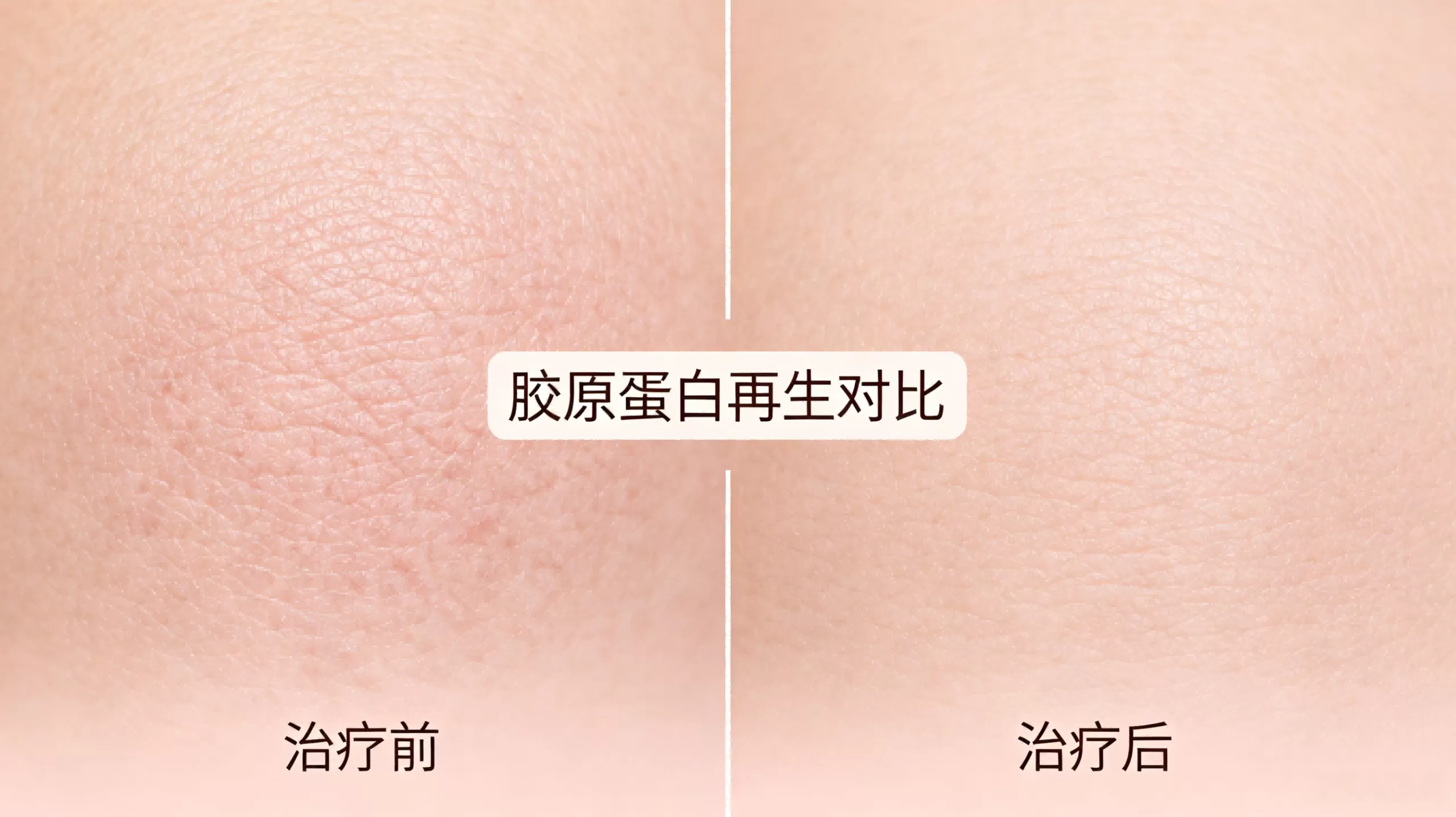
Copper-bound polypeptide that accelerates collagen synthesis, repairs skin barrier, speeds wound healing and boosts hair density; widely popular in global skincare markets with visible practical effects.
[Pic 5: Skin collagen growth comparison illustration]
2.5 Nootropic & Brain-boosting Peptides: Semax, Selank
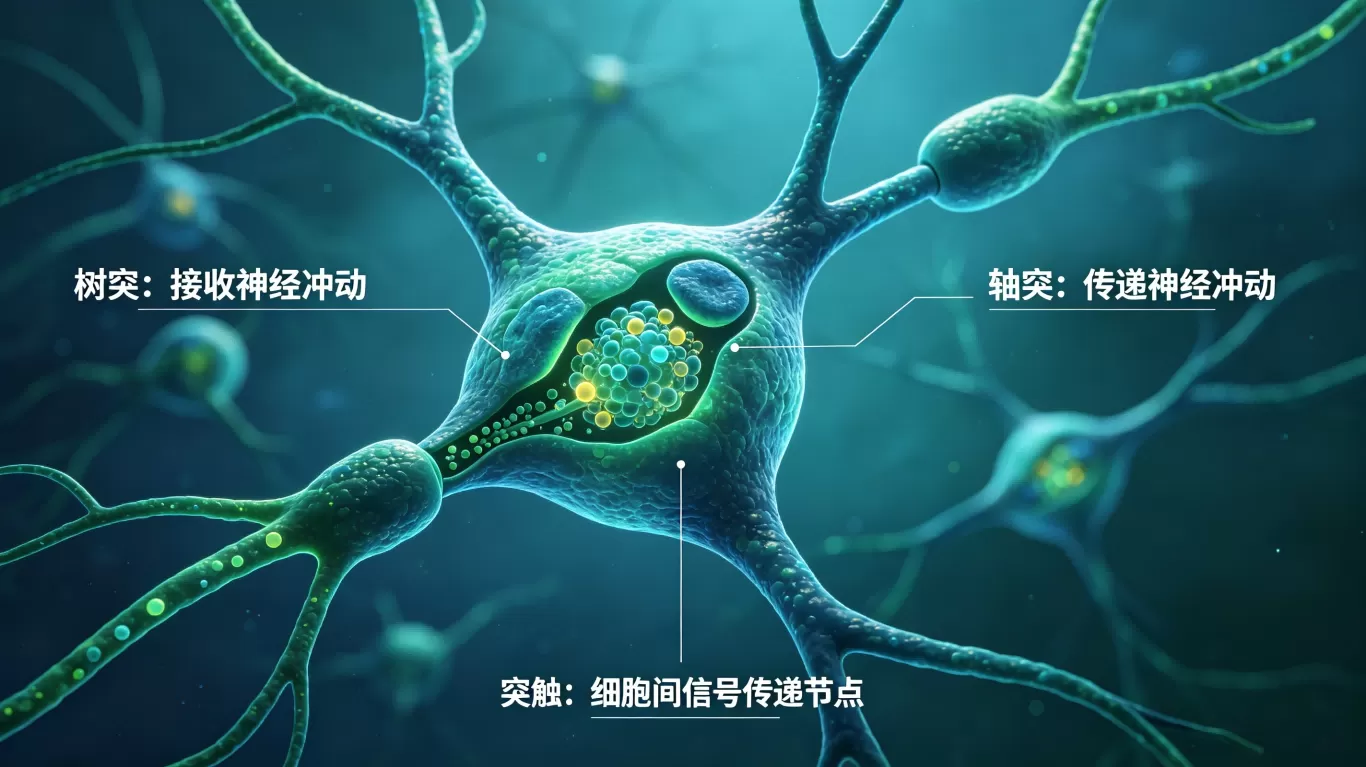
Russian-originated brain-target peptides available in injection and nasal spray forms. Effectively elevate concentration, stabilize mood and sharpen thinking without jitters or anxiety caused by common stimulants.
[Pic 6: Human cranial nerve & brain function action diagram]
2.6 Physical Fitness Enhancing Peptides: MOTS-c, SS-31
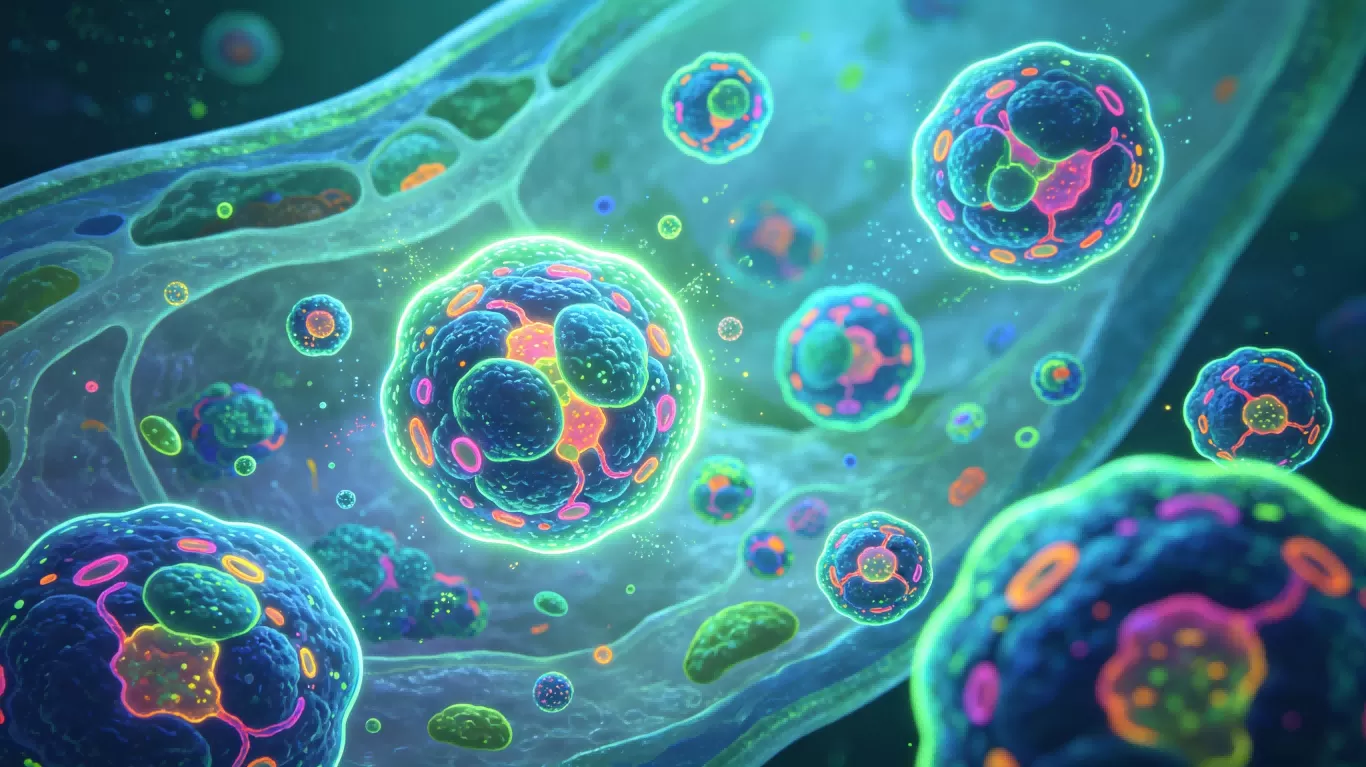
Act on intracellular mitochondria (core energy-producing organelles), improve cellular energy metabolism to upgrade overall physical function; a hot research direction in anti-aging fields with growing market attention.
[Pic 7: Mitochondria internal structure anatomical drawing]
2.7 Anti-Aging & Sleep-improving Peptides: Epitalon, Pinealon
Developed based on Russian pineal gland research:
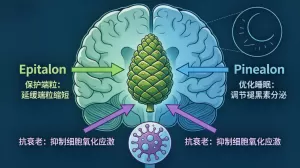
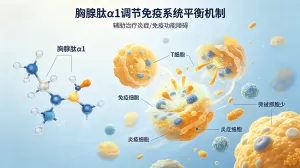
2.8 Immunity Strengthening Peptide: Thymosin Alpha 1
Well-supported by massive clinical research, modulates overall immune balance, widely applied for auxiliary treatment of inflammation and immune dysfunction disorders.
[Pic 9: Human immune system regulatory pathway flowchart]
3. Practical Suggestions for Peptide Usage (Not Medical Advice)
Prioritize well-studied varieties such as GLP‑1 series with mature clinical safety data.
Complete blood routine test before use and regular re-examination during usage to monitor bodily indicators.
Seek advice from peptide-specialized physicians rather than general practitioners lacking relevant expertise.
Start with low dosage and gradually adjust according to personal physical feedback.
4. Legal Purchasing Channels
FDA-approved prescription peptides: Buy from formal pharmacies with valid doctor prescription.
Legal compound peptides: Purchase via compliant overseas pharmaceutical compounding websites.
Research-grade experimental peptides: Available from lab-only sales platforms including Peptime and Peptaura (Peptidesciences has been shut down). Optimal option: Wait for FDA’s updated compounding policy before buying unapproved experimental peptides.